Hinweis: Wechsle zur mobilen Ansicht
Die Spiele auf unserer Seite lassen sich auf Mobilgeräten am besten in der mobilen Ansicht spielen. So geht's:
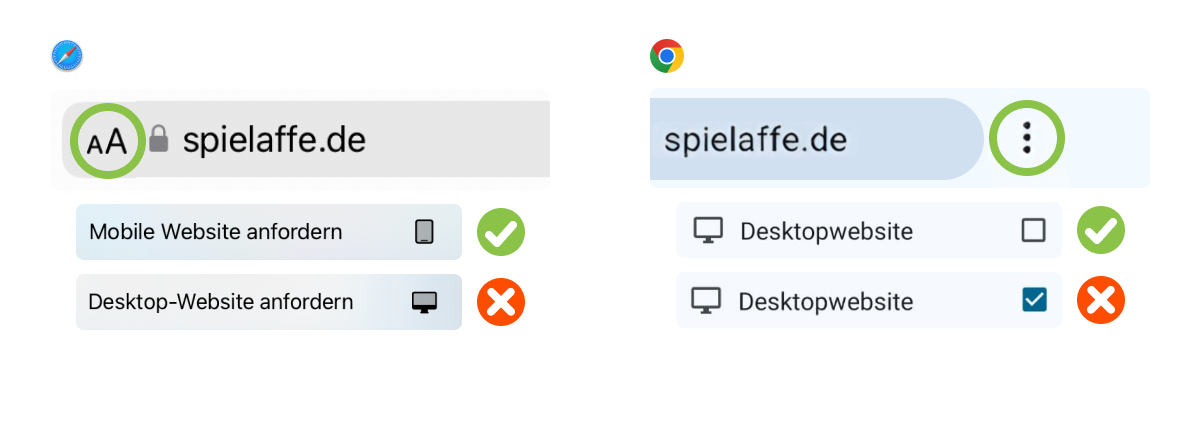
Hinweis schließen

The appeal of 3D beastiality comics, like much of adult content, can vary widely among individuals. For some, it offers a form of escapism and a way to engage with fantasies in a controlled and safe environment. For others, it raises significant ethical and legal concerns, particularly regarding the depiction of animals.
The digital age has given rise to a multitude of content that caters to various tastes and interests. Among these, 3D beastiality comics have carved out a niche, attracting a specific audience interested in this unique blend of fantasy and anthropomorphism. The creation, distribution, and consumption of such content have raised questions about artistic expression, ethical considerations, and the verification of content for audiences. 3d beastiality comics 45 verified
The artistry involved in creating these comics is substantial. It requires not only a deep understanding of comic storytelling but also proficiency in 3D modeling, texturing, and rendering. The "45 verified" collection likely represents a curated set of works that have been recognized or endorsed in some way, possibly for their quality, creativity, or impact. The appeal of 3D beastiality comics, like much
The innovation in this genre can also be seen in the experimentation with different styles and themes. Artists often blend elements of fantasy, science fiction, and anthropomorphism, creating unique narratives that explore complex relationships between humans (or humanoid characters) and animals. This blending of genres allows for a wide range of expression and creativity. The digital age has given rise to a
In crafting this article, the aim has been to provide an informative overview while navigating the complexities and sensitivities associated with 3D beastiality comics. As with any niche market, it's vital to engage with the topic thoughtfully and critically.
While verification processes aim to ensure responsible content creation and consumption, they come with challenges. These include balancing freedom of expression with the need to protect audiences, particularly minors, and ensuring that verification processes do not unfairly disadvantage creators.