
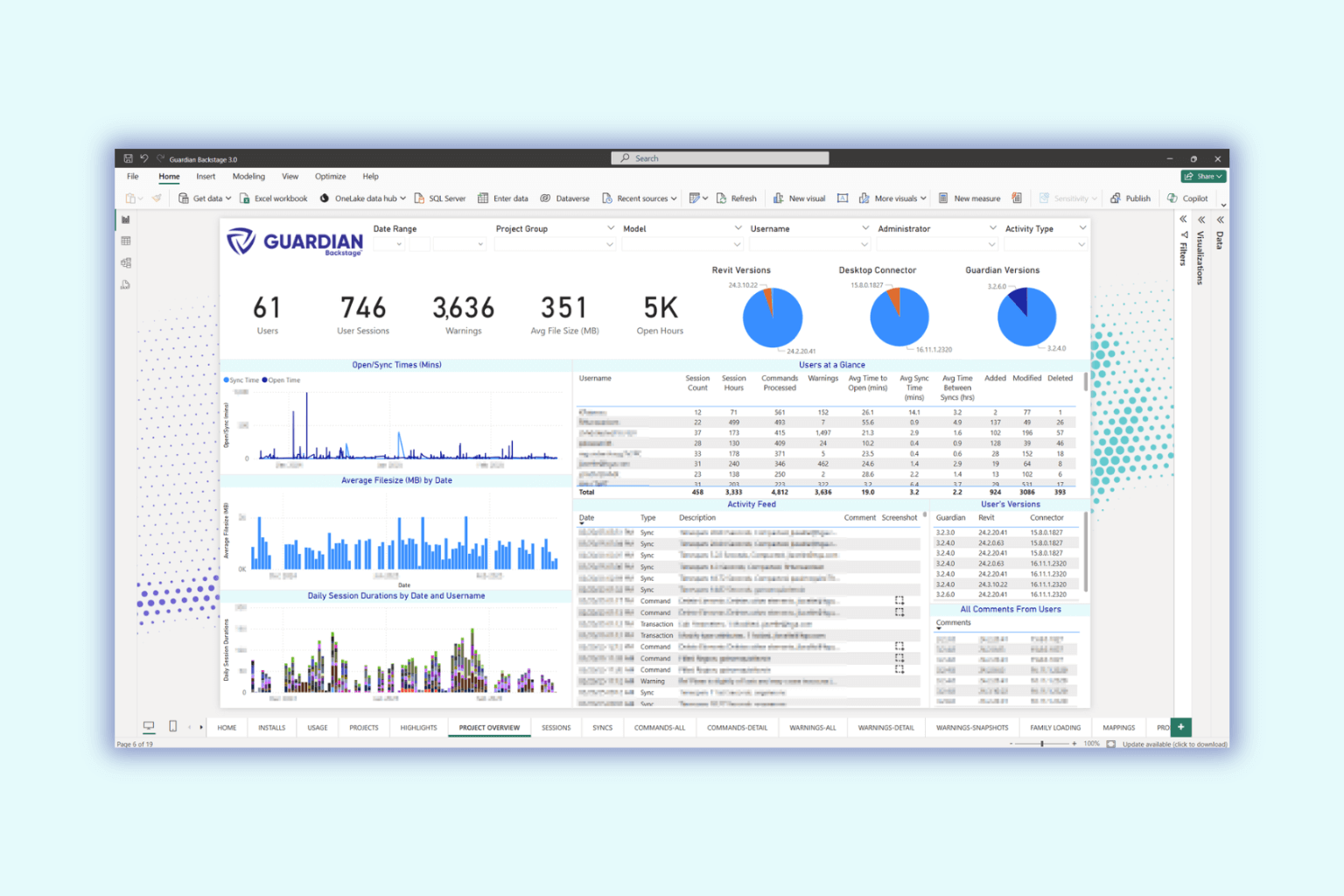
This Power BI template includes many dashboards that provide actionable insights into your Revit model performance.

Deploy this to prevent Revit's "Do you want to allow add-in" prompt to your end-users.
Find answers, see what's changed, and get step-by-step guidance directly from our knowledge base and product release notes.


The UDT is the command center for your plugin development workflow. This essential GUI application handles creating, loading, managing, and debugging plugins.
UXP features native support for , Adobe’s official design language. Instead of writing custom button elements, use Spectrum web components directly in your HTML:
If you are a veteran Creative Cloud developer, the move to UXP offers significant advantages: adobe uxp developer tools
This public link is valid for 7 days and shares a thread, including any personal information you added. This link or copies made by others cannot be deleted. If you share with third parties, their policies apply. Can’t copy the link right now. Try again later.
Launching the tool for the first time may require Administrator privileges to enable Developer Mode on your machine. Step 2: Creating Your First Plugin The UDT is the command center for your
One of UXP’s greatest strengths is its alignment with modern web standards. UDT capitalizes on this by integrating Chrome DevTools directly into the application. By clicking the "Debug" button next to your loaded plugin, you open a familiar debugging environment complete with:
Debugging JavaScript running inside Photoshop used to be a nightmare. Now, it is seamless. Instead of writing custom button elements, use Spectrum
Ensure you have the latest version of or InDesign installed. Step 2: Enable Developer Mode in the Host App
Once your environment is configured, building your first plugin with UDT takes only a few minutes. 1. Create a Project Directory
: Inspect the native UXP components. Note that UXP uses specialized tags like and from the Spectrum design system.
