Desktop app
Windows Desktop Application screenshots






Historically, cinema treated blended families with extreme polarization. Early Hollywood relied heavily on the "evil stepmother" trope, a narrative device borrowed from traditional fairy tales. Conversely, mid-century television and film pivoted to the hyper-sanitized, conflict-free models where blended families integrated seamlessly overnight without psychological friction.
As they navigate their new life together, the Smiths face various challenges. John and Emily struggle to balance their individual parenting styles, while their kids adjust to having new siblings and a step-parent. The family dynamic is further complicated by their relationships with their biological parents' ex-partners.
When cinema did attempt to tackle the friction of blending families in the late 20th and early 2000s, it often leaned heavily on broad comedy. Films like Step Brothers (2008) or Yours, Mine & Ours (2005) weaponized the chaos of combined households for laughs, treating the genuine emotional hurdles of step-siblings as narrative obstacles to be overcome by a third-act truce. Alina Rai Fucking My Stepmom While Playing Hide...
The exploration of blended families is not unique to Western cinema. International filmmakers are actively dissecting how blended structures clash with or redefine traditional cultural expectations. Shoplifters (2018) and the Chosen Family
Leo and Maya paused, halfway into their seats. As they navigate their new life together, the
The movie continued. The conflict arrived, predictably, in the third act. The ex-husband, a cartoonishly handsome, irresponsible free spirit (played by a charming actor in a leather jacket), showed up on a motorcycle to take the kids for the weekend. The dad-hero clenched his jaw. The girlfriend looked hurt. Then, the youngest child, a precocious eight-year-old with a lisp, delivered a speech: “I just want everyone to be happy.”
“I know. But you didn’t ask.”
The concept of family has undergone significant changes in recent decades, with the traditional nuclear family no longer the only normative structure. Blended families, also known as stepfamilies or reconstituted families, have become increasingly common, with approximately 40% of adults in the United States having at least one step-relative (Glick, 1989). Modern cinema has responded to this shift by representing blended families in various films, offering a platform for exploring the intricacies of these complex family structures.
The Smiths' story is not unique, and modern cinema has explored similar themes in various films. Movies like (1998), Freaky Friday (2003), and The Incredibles (2004) showcase blended family dynamics, highlighting the comedic and heartwarming moments that come with merging families. When cinema did attempt to tackle the friction
A poignant milestone in this shift is Chris Columbus’s Stepmom (1998), which served as an early bridge into modern thematic territory. The film explores the friction between Isabel (Julia Roberts), the younger stepmother-to-be, and Jackie (Susan Sarandon), the biological mother. Instead of villainizing either woman, the narrative validates the insecurity of the stepmother trying to find her place and the grief of the biological mother facing her own displacement.
Windows Desktop Application screenshots
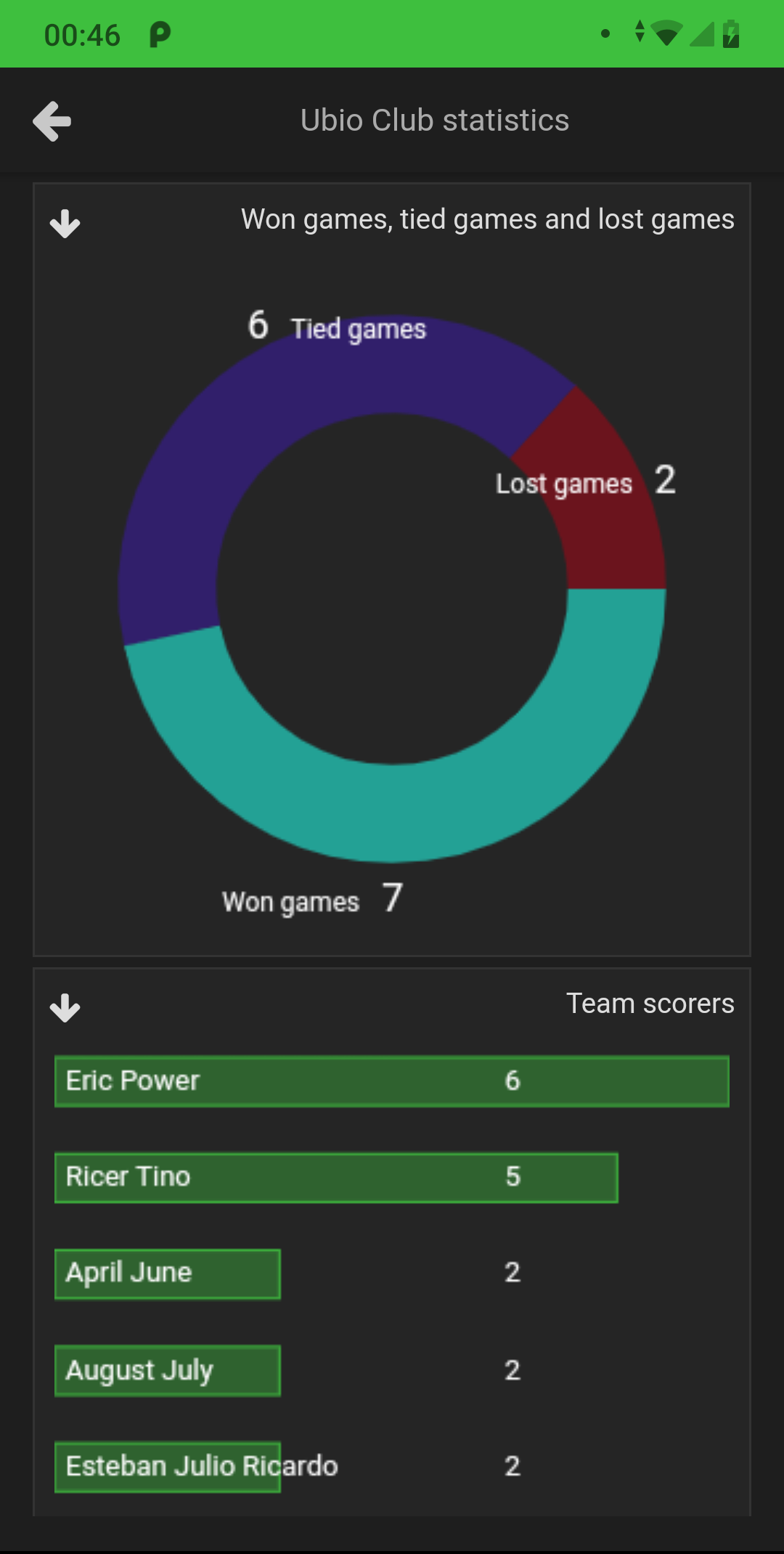
Android application screenshots