E6b Flight Computer Exercises Better [work] -
Before you begin, make sure you have a good understanding of the E6-B's basic functions and scales. Here are some exercises to get you started:
| Feature | Mechanical (Wheel) | Electronic (Sporty’s/ASA) | | :--- | :--- | :--- | | | Excellent (Forces visualization) | Poor (Garbage in, garbage out) | | Speed (Simple Math) | Slow | Fast | | Speed (Wind Side) | Fast (once skilled) | Slow (data entry) | | Test Approval | FAA Written (yes) | FAA Written (yes) | | Real-World Utility | High (No batteries) | Low (Phone dies) |
2. Mastering the Calculator Side (Time, Speed, Distance, Fuel) e6b flight computer exercises better
This public link is valid for 7 days and shares a thread, including any personal information you added. This link or copies made by others cannot be deleted. If you share with third parties, their policies apply. Can’t copy the link right now. Try again later.
If your digital devices go dark during a cross-country flight, stress levels spike. Trying to remember how to use a manual E6B during an actual emergency is a recipe for disaster. Before you begin, make sure you have a
This article will explore why strategic, repetitive, and varied exercises on the E6B lead to superior aeronautical decision-making (ADM), faster reaction times, and a deeper understanding of the relationship between time, fuel, speed, and distance.
Regular practice with these exercises trains your brain to instinctively visualize wind correction angles during flight. If you know the wind is a quartering headwind from the right, your hands-on experience with the E6B allows you to mentally anticipate the approximate drift correction and groundspeed loss before you even look at an instrument. 2. Building Mental Math and "Sanity Checking" Skills This link or copies made by others cannot be deleted
Take a list of five distances in statute miles and convert them to nautical miles using the "Stat" and "Naut" arrows. Then, take five fuel weights in pounds and convert them to US gallons.
Check within aircraft limits (max demonstrated crosswind typically 15 kt) → .
Modern avionics give you an answer, but they don't always show the work. When you perform E6B flight computer exercises, you are forced to visualize the relationship between variables like speed, time, and distance.

 OnlyOne Live
 OnlyOne Live Plus
 OnlyOne Meet
 OnlyOne TouchMe
 OnlyOne TouchMe Plus
 OnlyOne TouchMeet
 OnlyOne Maxi
 OnlyOne Maxi Plus
 OnlyOne Maxi Meet
 OnlyOne UltraWide
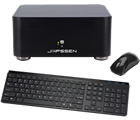 MicroBox
 MicroBox Plus
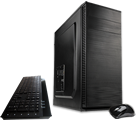 SuperFast
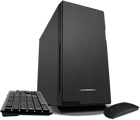 UltraFast
 HandyStation Premium
 HandyStation Pro AI
 OverSense
 OverSense Plus
 OverSense Maxi
  OverSense Maxi Plus
 PAN 10 Maximo
 PAN Accessories
 MediaBox 4K
 MediaBox 4K Automation
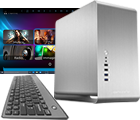 DigitalBox 4K AI
 Media Peripherals
 Droid LED Projector
 Droid LED Projector Pro
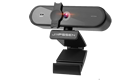 WebCam Pro 2K
 Smart Robot Cam
  SmartLife
 Smart IR Hub
 Smart Security Kit
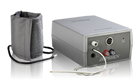 Sensor
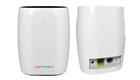 WiFi Mesh
 JWL Wireless LAN
 PAN Watch Feel
 PAN Watch VIP
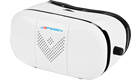 PAN VR-1