: Elements of Kabuki (stylized drama), Noh (masked dance-drama), and Bunraku (puppet theater) heavily influence modern acting, character design, and storytelling structures in Japanese television and film. The Anime and Manga Empire
The manga (comic book) and anime (animation) industries are arguably Japan’s most recognizable cultural exports.
Japan boasts one of the world's most respected cinematic histories. Master filmmaker Akira Kurosawa ( Seven Samurai , Rashomon ) fundamentally changed Western filmmaking, directly inspiring movies like Star Wars . In horror, the "J-Horror" wave of the late 1990s and early 2000s ( The Ring , The Grudge ) redefined psychological terror globally. Domestic TV and Variety Shows heyzo2257 mai yoshino jav uncensored hot better
While the world has shifted toward mobile and PC gaming, Japan maintains a robust "Game Center" (arcade) culture. These spaces act as social hubs, keeping the community aspect of gaming alive in a way that has largely vanished in the West. Furthermore, the "JRPG" (Japanese Role-Playing Game) remains a cornerstone of storytelling, emphasizing complex narratives and character development. Traditional Roots in Modern Media
Yet, the industry persists because it fulfills a deep cultural need for parasocial relationships in an increasingly lonely, high-pressure society. : Elements of Kabuki (stylized drama), Noh (masked
Anime, the animated counterpart, has evolved from a niche subculture into a dominant global medium. Streaming platforms have democratized access, allowing series like Demon Slayer and Attack on Titan to break international viewing records. This success relies on a unique media mix strategy. A single intellectual property (IP) is simultaneously released as a comic, an animated show, video games, toys, and clothing. This creates an immersive ecosystem that keeps fans engaged across multiple touchpoints. The Evolution of Gaming and Interactive Media
The Japanese entertainment industry is a global powerhouse that seamlessly blends centuries-old traditions with cutting-edge technology. From the hand-drawn artistry of and Manga to the high-energy world of J-Pop and the technical precision of Video Games , Japanese culture has become a primary driver of global "soft power." 1. Media and Visual Arts: The Core Pillars Master filmmaker Akira Kurosawa ( Seven Samurai ,
This evolution is rooted in omotenashi (wholehearted hospitality) and monozukuri (the art of making things). Whether it’s a high-budget video game or a traditional tea ceremony, there is a meticulous attention to detail that defines the Japanese approach to creativity. Anime and Manga: The Global Vanguard
Japanese cinema has a rich history, with the first film being screened in 1897. The country's film industry has produced some of the world's most renowned directors, including Akira Kurosawa, Hayao Miyazaki, and Takashi Shimizu. Japanese movies often blend elements of horror, science fiction, and drama, and have gained a significant following worldwide. Films like "Seven Samurai," "Spirited Away," and "Departures" have won numerous international awards and have been widely acclaimed.
Simple, Intuitive, Efficient and Clean

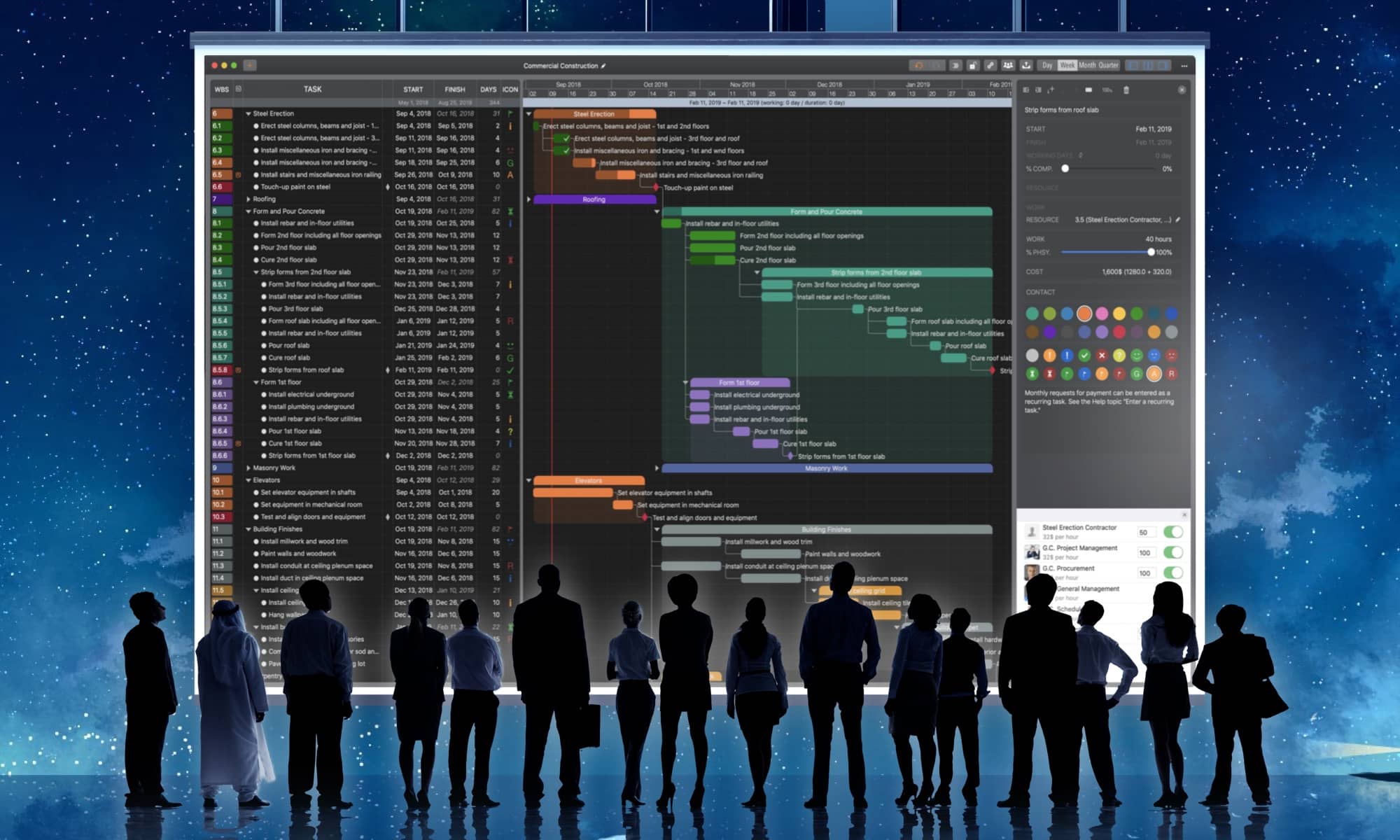
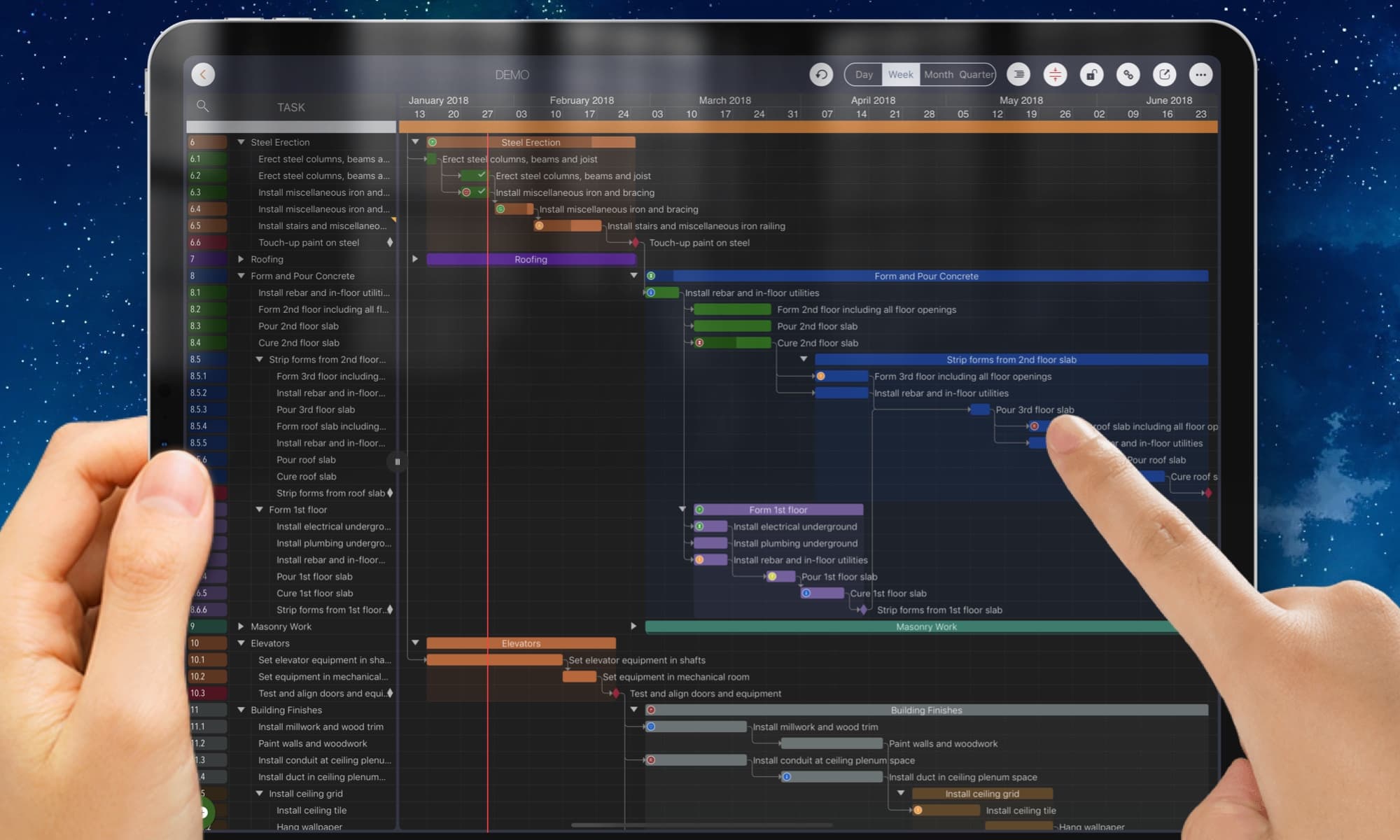
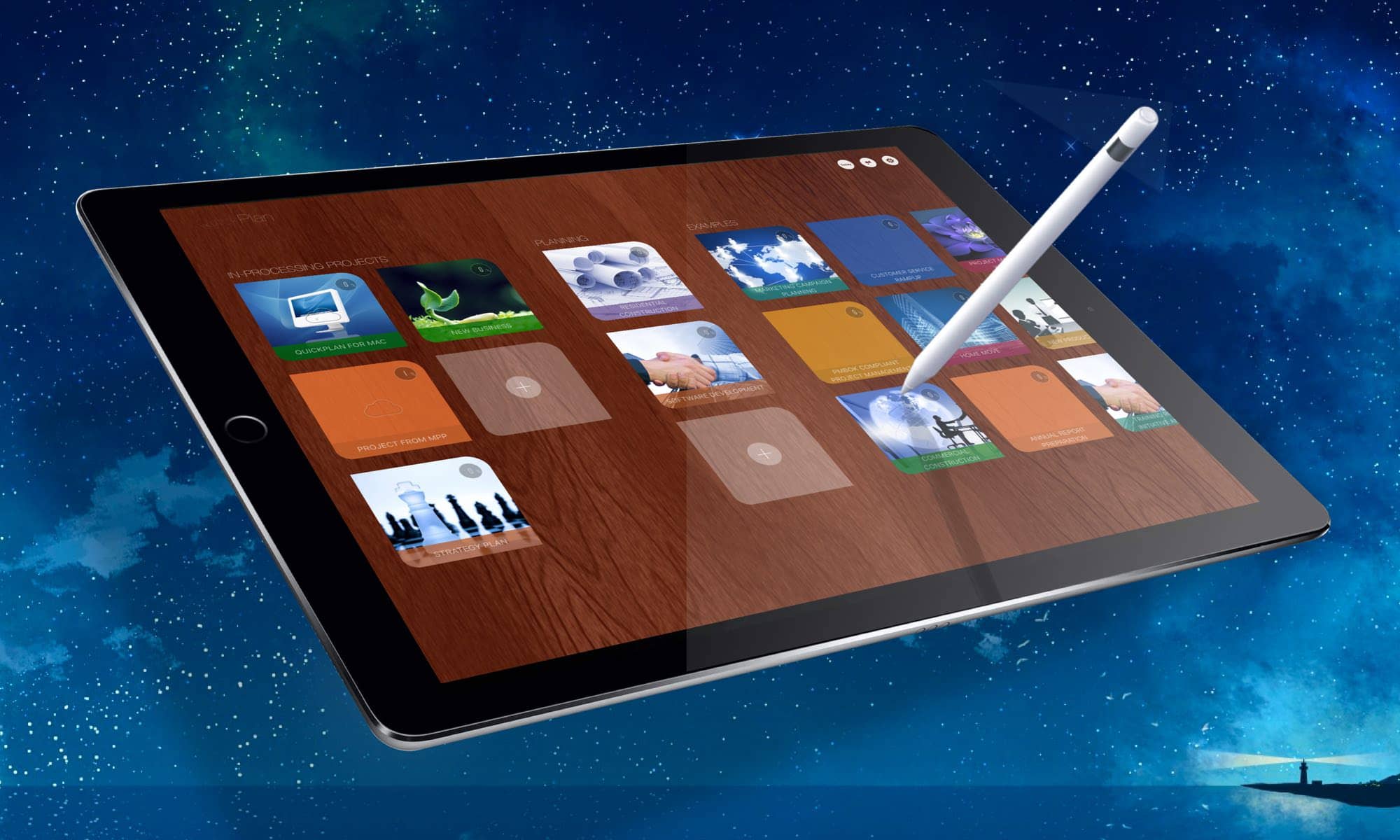
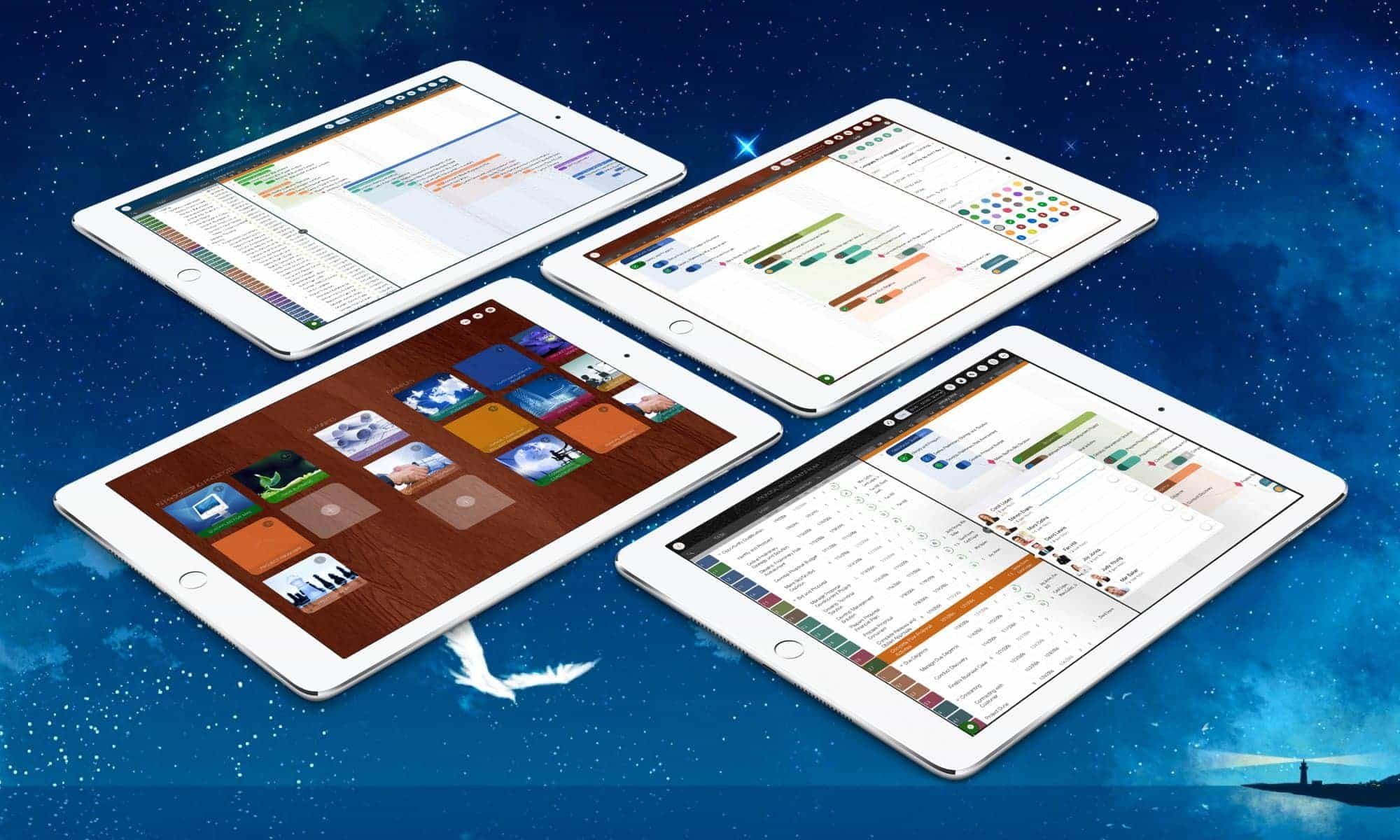
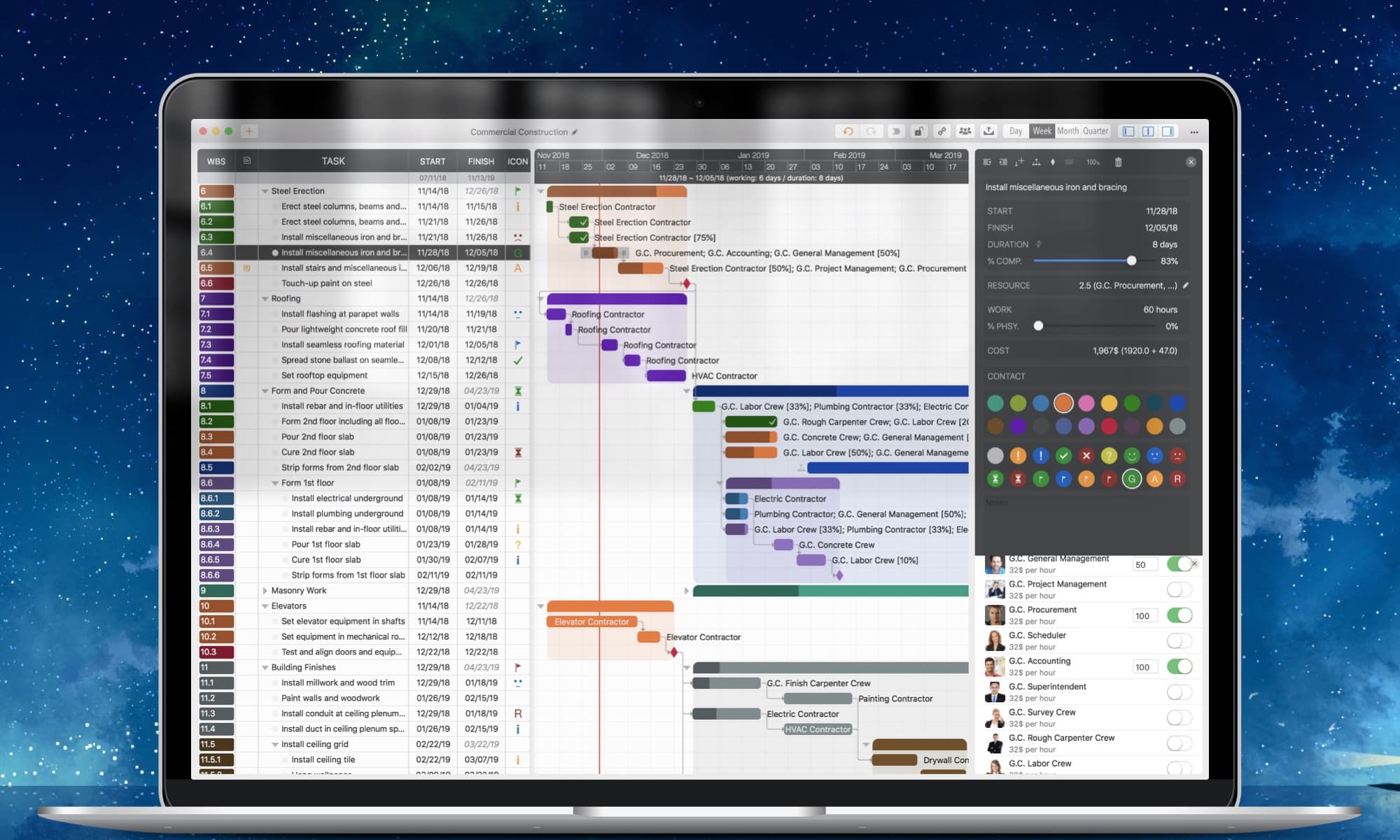
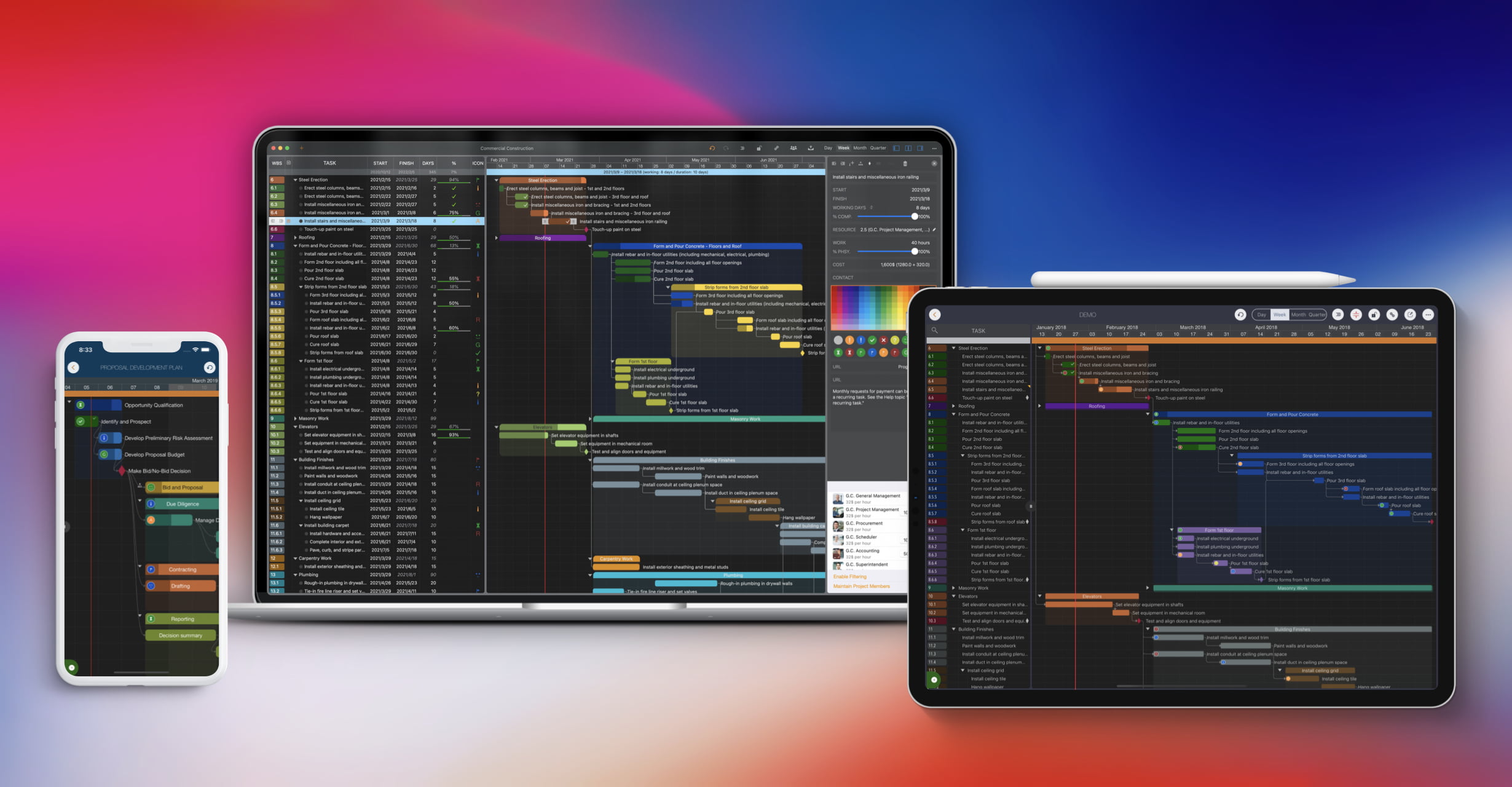
QuickPlan brings the best features of Microsoft Project to iOS and macOS without the complexity—delivering the INTUITIVENESS and SIMPLICITY you know and love.



Export your projects to PDF, Excel, and image files with flexible and powerful customization options for content and layout.View Details

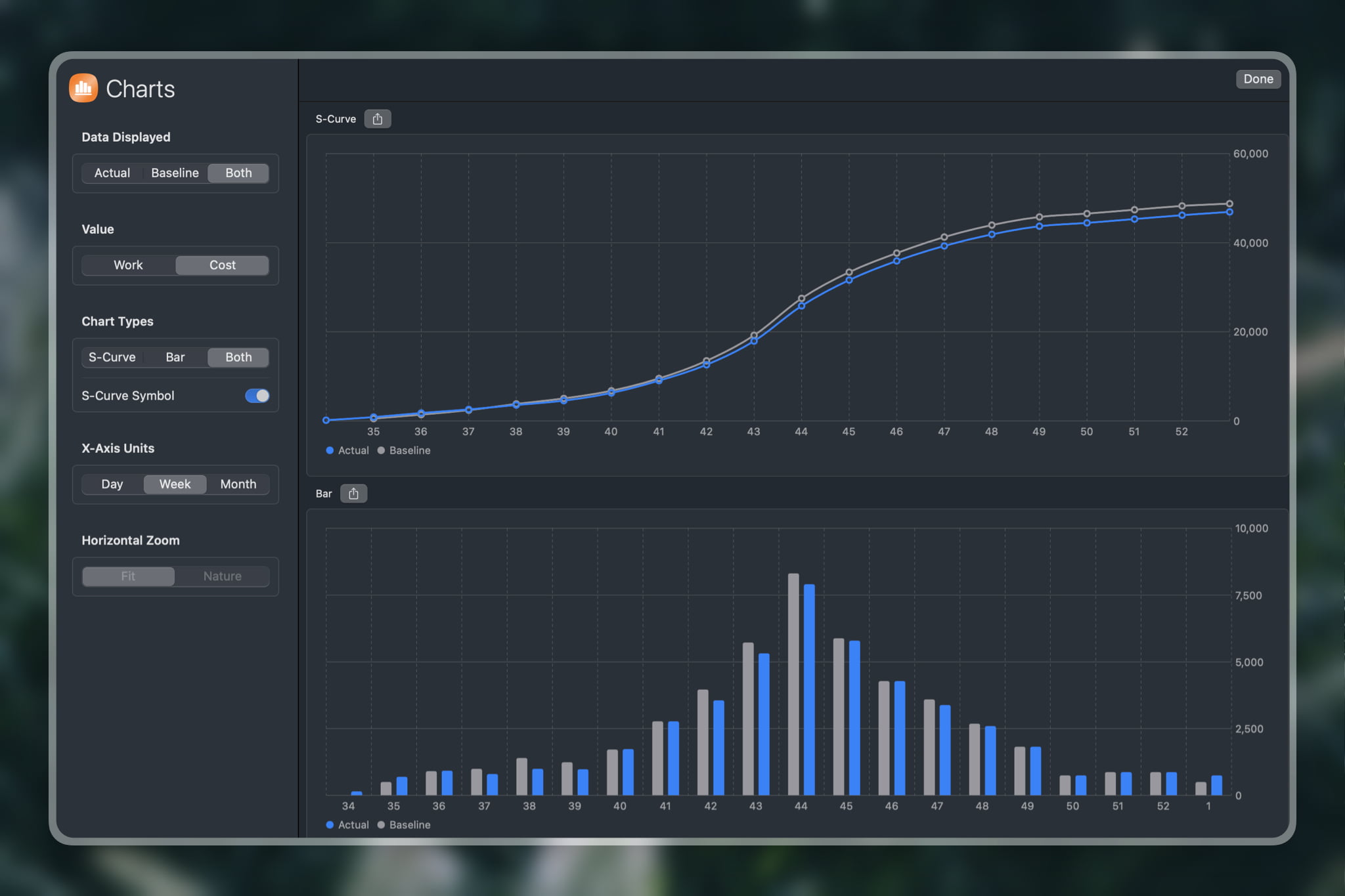
Create and compare baselines, generate reports, and customize S-Curve and Bar charts with ease.
Share projects seamlessly across teams and devices using AirDrop, Dropbox, OneDrive, and other cloud storage services.
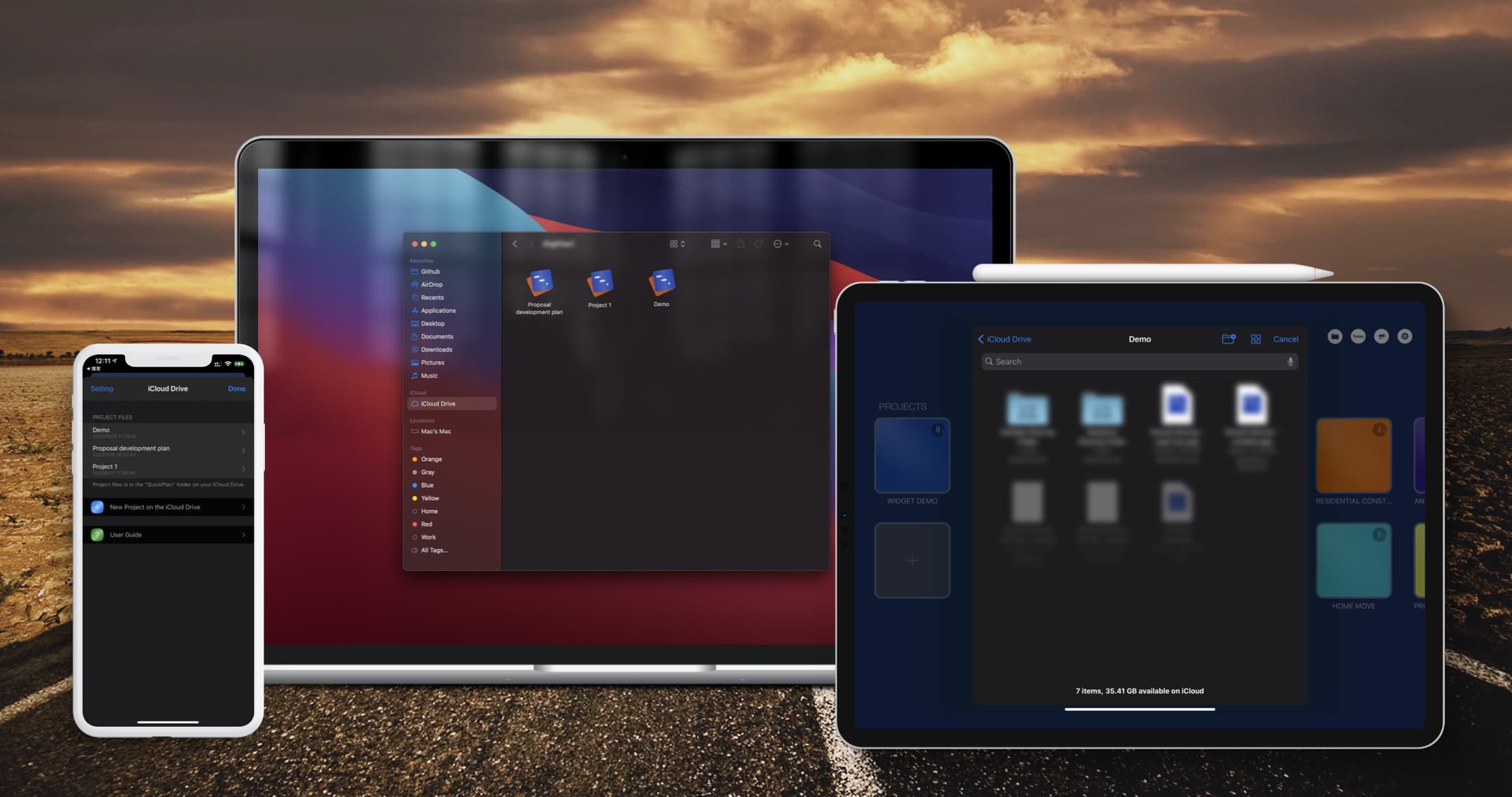
Sync project files between iOS and Mac devices via iCloud Drive.View Details
Export to Microsoft Project files (.XML format) and import from Microsoft Project files (.xml format).View Details

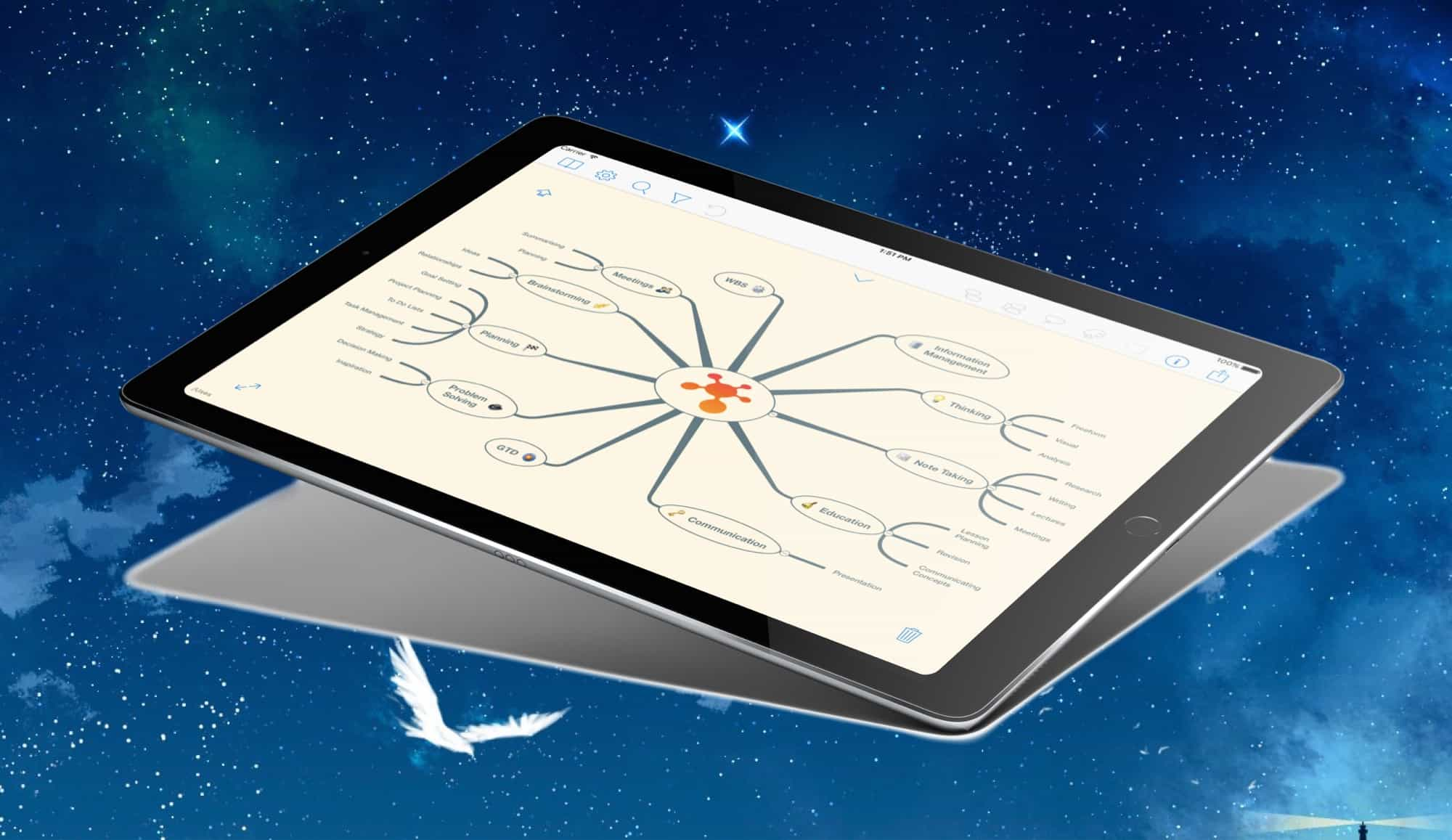
Import from Mind Map (.opml) files, and export to OPML format (QuickPlan for Mac).View Details
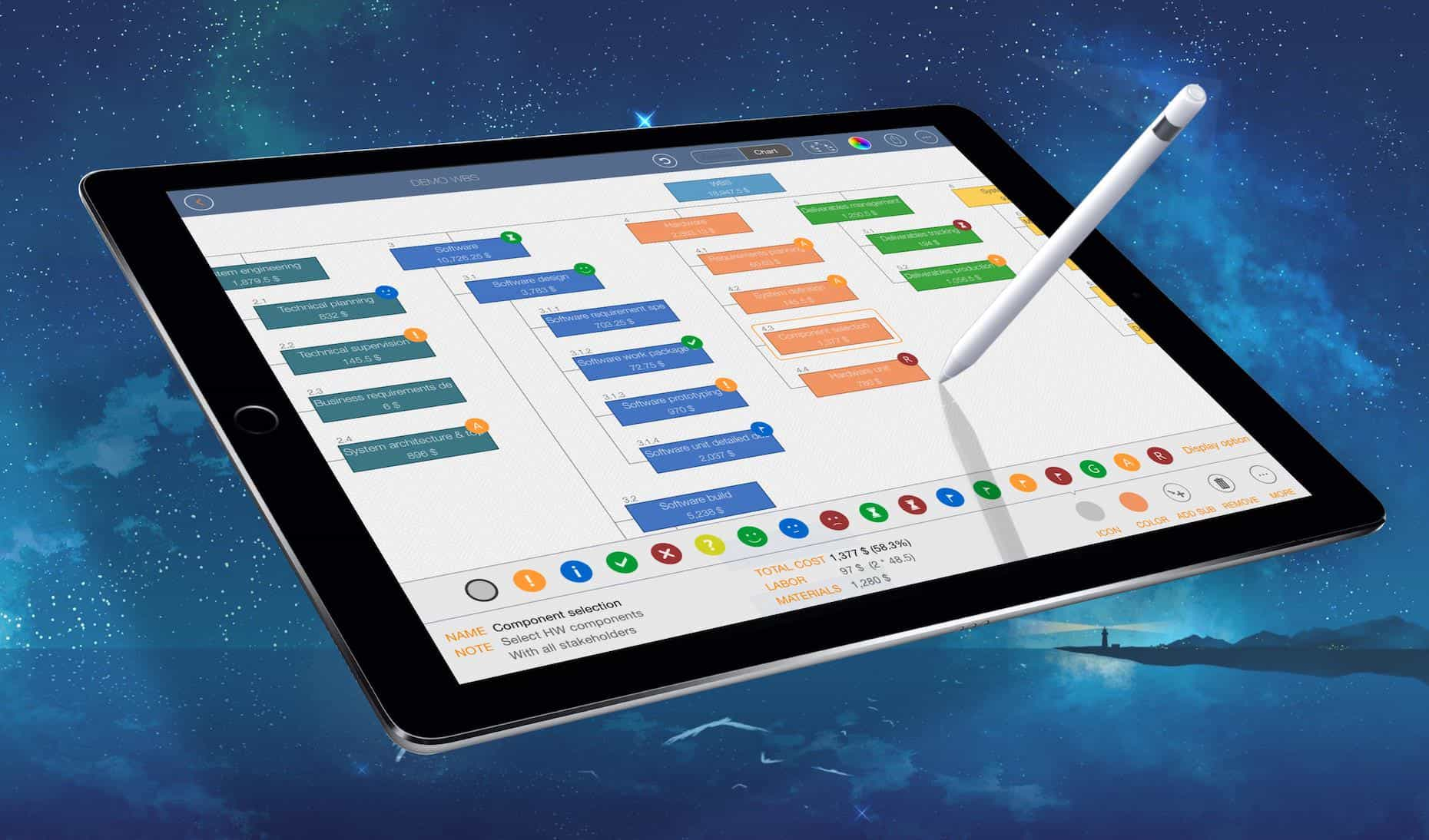
Simplify input/output in the project management process with Swift Apps WBS.View Details
Today Widget, local notifications, and in-app Today list with multiple project selection options.View Details


Dob Chris
QuickPlan app is the best planning app I have ever used. It is very easy to use and helps me to be more efficient in my work. It has all the features I need to plan my projects effectively and collaborate with my team members smoothly. It is smart and strong enough to handle complex projects and large data sets. I highly recommend QuickPlan app to anyone who wants to plan smart and work easy. 👍
Txavatar
I have all the project geek merit badges – PMP certified, contributing author of the PMBoK, and a 20 year veteran of running projects up to thousands of personnel and billions of dollars. This tool shines in regard to easy of use combined with functionality. 99% of the users of Microsoft Project can’t properly use more than 10% of the application as everyone geeks out and wants more functions and more gadgets. QPP allows you to QUICKLY get a project sketched out and running. Earned Value Calculations and Resource Leveling? Yeah good luck with that on any tool. Im not going to suggest any more functionality to this tool to avoid unnecessarily complicating it but I will ask for a web-based or Mac-based app to easier support the initial keying and loading of all the project activities. That’s not a shortcoming of QPP but rather of iPads, which simply aren’t as good as a full size keyboard for data entry.Thanks for a terrific App!!
Scott, PMP
This is my go to app for project planning and tracking on iOS. I’m using it daily to plan and track projects and have found it to be the best project management app for iOS thus far. The ability to quickly enter information, move it around and organize it so that clients and stakeholders can understand it is priceless. In addition to project tracking, I’m using it for high level program management reporting to align management stakeholders to the overall plan and status.The developer has done a great job with the user interface and user experience. There are video tutorials available on how to use the app making it very clear on how to use. I’ve found it to be very intuitive which has made it easy to learn and use so I can quickly make changes while discussing the project with clients.The export functions are great making it easy to send a snapshot via PDF, Excel or PNG to stakeholders and resources to keep everyone on the same page with the project. Exporting XML works great when it’s time to make the schedule more complex than what should be managed on the iPad or if needed to align with an enterprise project reporting tool.I’m using the app daily and have found it to be the best project planning tool on iOS that is available.
: Elements of Kabuki (stylized drama), Noh (masked dance-drama), and Bunraku (puppet theater) heavily influence modern acting, character design, and storytelling structures in Japanese television and film. The Anime and Manga Empire
The manga (comic book) and anime (animation) industries are arguably Japan’s most recognizable cultural exports.
Japan boasts one of the world's most respected cinematic histories. Master filmmaker Akira Kurosawa ( Seven Samurai , Rashomon ) fundamentally changed Western filmmaking, directly inspiring movies like Star Wars . In horror, the "J-Horror" wave of the late 1990s and early 2000s ( The Ring , The Grudge ) redefined psychological terror globally. Domestic TV and Variety Shows
While the world has shifted toward mobile and PC gaming, Japan maintains a robust "Game Center" (arcade) culture. These spaces act as social hubs, keeping the community aspect of gaming alive in a way that has largely vanished in the West. Furthermore, the "JRPG" (Japanese Role-Playing Game) remains a cornerstone of storytelling, emphasizing complex narratives and character development. Traditional Roots in Modern Media
Yet, the industry persists because it fulfills a deep cultural need for parasocial relationships in an increasingly lonely, high-pressure society.
Anime, the animated counterpart, has evolved from a niche subculture into a dominant global medium. Streaming platforms have democratized access, allowing series like Demon Slayer and Attack on Titan to break international viewing records. This success relies on a unique media mix strategy. A single intellectual property (IP) is simultaneously released as a comic, an animated show, video games, toys, and clothing. This creates an immersive ecosystem that keeps fans engaged across multiple touchpoints. The Evolution of Gaming and Interactive Media
The Japanese entertainment industry is a global powerhouse that seamlessly blends centuries-old traditions with cutting-edge technology. From the hand-drawn artistry of and Manga to the high-energy world of J-Pop and the technical precision of Video Games , Japanese culture has become a primary driver of global "soft power." 1. Media and Visual Arts: The Core Pillars
This evolution is rooted in omotenashi (wholehearted hospitality) and monozukuri (the art of making things). Whether it’s a high-budget video game or a traditional tea ceremony, there is a meticulous attention to detail that defines the Japanese approach to creativity. Anime and Manga: The Global Vanguard
Japanese cinema has a rich history, with the first film being screened in 1897. The country's film industry has produced some of the world's most renowned directors, including Akira Kurosawa, Hayao Miyazaki, and Takashi Shimizu. Japanese movies often blend elements of horror, science fiction, and drama, and have gained a significant following worldwide. Films like "Seven Samurai," "Spirited Away," and "Departures" have won numerous international awards and have been widely acclaimed.
© 2013 ~ 2026 COPYRIGHT QUICKPLAN | All Rights Reserved
Swift Apps