

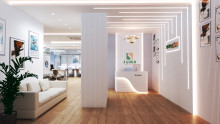
Modern Dinner Wagon by Dining & Living Room Design 3D Model
This modern dinner wagon combined with a dining and living room design 3D model is a perfect solution for creating a stylish and functional interior space. Designed with a contemporary approach, this model blends elegance with practicality, making it suitable for apartments, houses, and commercial interior visualization projects. The dining wagon concept enhances space usability while maintaining a clean and modern aesthetic.
The overall design focuses on simplicity, smooth finishes, and a balanced color combination of white and natural wood tones. These elements create a warm and welcoming atmosphere, ideal for both dining and relaxation areas. The layout is thoughtfully arranged to ensure proper space flow between the dining and living sections, making it highly useful for real-life project presentations.
This 3D model is created using high-quality materials and detailed textures, ensuring realistic rendering results in professional visualization projects. It is fully compatible with 3ds Max and V-Ray, allowing designers and architects to easily customize lighting, textures, and environment settings according to their needs.
Whether you are working on residential interior design, client presentations, or portfolio development, this model can significantly improve your workflow. The organized file structure and optimized geometry make it easy to use even for beginners.
Materials Details:
Serial 01: 18mm MDF Board
Serial 02: 18mm Gorjon Board
Serial 03: Docu Paint Finish
Serial 04: Enamel Paint Coating
Color Concept: White & Wooden Combination
File Format: 3ds Max + V-Ray
File Size: Approx 429 MB
License: Free for personal and non-commercial use only. Redistribution or resale is not allowed.